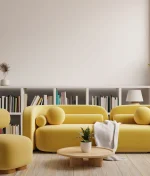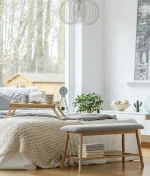
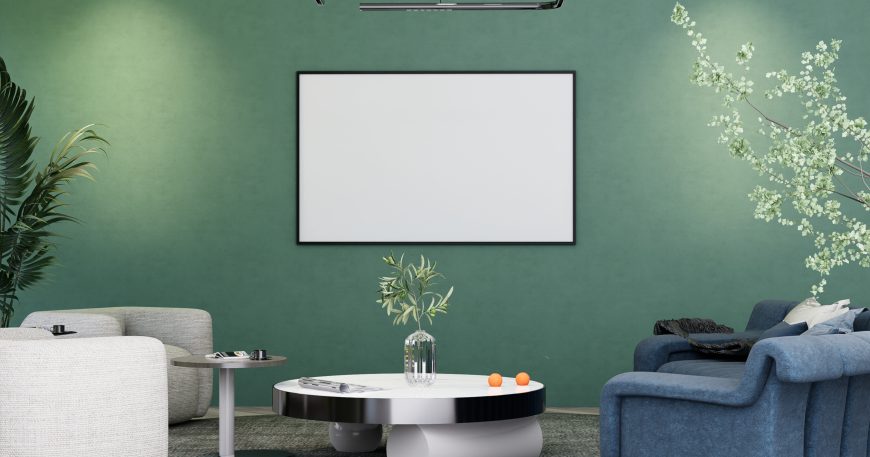
Room design trends in 2026 are less about visual statements and more about intentional living. The focus has shifted from fast-changing aesthetics to spaces that support comfort, longevity, and emotional well-being. Design decisions are increasingly driven by how people live, work, and recharge at home. This year marks a move away from rigid styles and toward adaptable, layered interiors that feel personal and enduring.
The Design Philosophy Defining Room Design Trends 2026
At the core of room design trends 2026 is a philosophy of purpose. Spaces are no longer designed to impress at first glance alone. They are designed to perform over time.
There is a strong emphasis on emotional comfort. Rooms are expected to feel grounding, not overwhelming. This has influenced everything from color selection to furniture layout. Design is becoming quieter, but also more intentional. Another defining principle is longevity. Rather than chasing novelty, designers are prioritizing materials, layouts, and finishes that age well. Trend awareness now means knowing what to simplify, not what to add.
Color Trends Shaping Modern Rooms in 2026
Color plays a central role in setting the tone of interiors this year. The palettes of 2026 are restrained, expressive, and rooted in nature.
The Rise of Grounded and Nature-Inspired Palettes
Earth-based tones dominate room design trends 2026. Warm neutrals, clay shades, muted greens, and soft browns create a sense of calm and stability. These colors work well across different lighting conditions and room types.
Designers are moving away from stark whites. Instead, off-whites with warm undertones are used to soften spaces. These palettes support a more relaxed atmosphere and pair easily with natural materials. Nature-inspired colors also help rooms feel connected rather than isolated. This is especially important in urban homes where access to outdoor space is limited.
Strategic Use of Bold Accent Colors
Bold colors have not disappeared, but they are used with more discipline. Deep blues, oxblood tones, and charcoal shades appear as accents rather than dominant themes. Accent colors are often introduced through single walls, furniture pieces, or textiles. This approach adds depth without visual overload. The key trend is restraint. Impact comes from placement, not quantity.
Material and Texture Trends Transforming Interiors
Flat, uniform interiors are being replaced by layered, tactile spaces. Texture is now as important as color.
Natural Materials with Refined Finishes
Wood, stone, linen, and clay are central to room design trends 2026. However, finishes are more refined than rustic. Smooth stones, lightly treated woods, and tailored textiles balance natural character with modern sophistication. This shift reflects a desire for authenticity without roughness. Materials are chosen for how they feel as much as how they look.
Texture Layering for Visual Depth
Texture layering adds complexity without clutter. Designers combine matte and soft finishes with subtle sheen to create dimension. Examples include textured walls paired with smooth furniture or woven textiles layered over solid surfaces. This approach makes rooms feel rich and inviting without relying on bold patterns.
Furniture Design Trends Influencing Room Layouts
Furniture trends in 2026 are driven by comfort, adaptability, and form.
Curved and Organic Furniture Forms
Curves are replacing sharp angles across seating, tables, and case goods. Organic shapes create softer visual flow and improve circulation in rooms. These forms feel more human and less rigid. They also work well in both small and large spaces by reducing visual tension.
Modular and Adaptable Furniture
Flexibility is a defining feature of furniture in 2026. Modular sofas, reconfigurable shelving, and multi-use tables support changing needs. As homes continue to serve multiple functions, furniture must adapt without constant replacement. This trend aligns strongly with sustainability and long-term value.
Spatial Planning and Layout Trends in 2026
Room layouts are becoming more deliberate. Open plans are evolving rather than disappearing.
Purpose-Driven Zoning Over Open Concepts
Instead of fully open spaces, designers are creating zones within rooms. Furniture placement, rugs, lighting, and subtle color shifts define areas without walls. This approach balances openness with privacy. It supports focus, relaxation, and social interaction within the same footprint.
Emphasis on Negative Space and Breathing Room
Less furniture is becoming a sign of sophistication. Negative space allows rooms to breathe and improves visual clarity. Designers are prioritizing quality over quantity. Each piece earns its place. This results in rooms that feel calm and intentional.
Lighting Trends Redefining Room Atmosphere
Lighting design is more layered and expressive in 2026.
Layered and Indirect Lighting Approaches
Overhead lighting alone is no longer sufficient. Rooms now rely on a combination of ambient, task, and accent lighting. Indirect lighting is especially popular. Hidden LED strips, wall washers, and diffused sources create soft illumination that enhances mood.
Sculptural and Statement Lighting Fixtures
Lighting fixtures are increasingly treated as design features. Sculptural pendants and artistic lamps serve both functional and aesthetic roles. These pieces often anchor a room visually, reducing the need for additional décor.
Technology-Integrated Room Design Trends
Technology in 2026 is present, but subtle.
Smart Features Blended into Design
Smart lighting, climate control, and audio systems are integrated seamlessly. Visible devices are minimized in favor of clean surfaces. The goal is convenience without distraction. Technology supports the space rather than dominating it.
Human-Centered Automation
Automation is focused on comfort and well-being. Systems respond to daily routines rather than requiring constant input. This includes adaptive lighting, temperature adjustments, and noise control that enhance everyday living.
Sustainability as a Core Design Trend
Sustainability is no longer optional. It is foundational.
Long-Term Design Over Fast Trends
Designers are choosing timeless elements over disposable décor. Durability and repairability influence material and furniture selection. This approach reduces waste and ensures interiors remain relevant for years.
Ethical Materials and Responsible Sourcing
Transparency in sourcing matters. Homeowners are more aware of where materials come from and how they are produced. Ethical practices are now part of design value, not a bonus.
Room-Specific Trends Gaining Momentum
Different rooms reflect these trends in distinct ways.
Living Rooms Focused on Connection and Comfort
Living rooms prioritize conversation and flexibility. Seating arrangements are inward-facing and adaptable. Color palettes are warm and inviting, supporting relaxed social interaction.
Bedrooms as Wellness-Centered Retreats
Bedrooms emphasize rest. Soft colors, minimal furniture, and layered lighting dominate. The goal is restoration, not stimulation.
Home Offices Designed for Longevity
Home offices are now permanent features. Ergonomic layouts, focus-friendly colors, and adaptable storage support long-term productivity.
Personalization as a Defining Trend in 2026
Copy-paste interiors are fading.
Moving Away from Over-Curated Spaces
Rooms are becoming more personal. Collected pieces, art, and meaningful objects replace showroom-style perfection.
Blending Old and New Design Elements
Vintage furniture and heirlooms are paired with modern pieces. This creates depth and authenticity. Personal history is becoming a key design element.
Common Challenges When Applying 2026 Design Trends
Applying trends requires restraint.
Avoiding Trend Overload
Too many trends dilute impact. Successful spaces prioritize a few ideas that align with lifestyle and architecture.
Translating Trends into Real Homes
Budget, space, and daily habits matter. Trends should adapt to reality, not override it.
Conclusion
Room design trends 2026 reflect a deeper shift toward intentional, human-centered interiors. Color, materials, layout, and technology are working together to create spaces that feel calm, adaptable, and personal. The most successful designs are not trend-heavy, but thoughtfully layered and strategically planned. By understanding the direction behind these trends, designers and homeowners can create rooms that remain relevant, functional, and meaningful well beyond 2026.
FAQs
1. What defines room design trends 2026 compared to previous years?
Room design trends 2026 prioritize longevity, emotional comfort, and sustainability rather than fast aesthetics, focusing on adaptable spaces that support real-life living.
2. Are bold colors still relevant in 2026 interiors?
Yes, but they are used selectively. Bold colors appear as accents to add depth without overwhelming calm, neutral-based room designs.
3. How important is sustainability in 2026 room design?
Sustainability is essential. Designers focus on durable materials, ethical sourcing, and timeless layouts that reduce waste and frequent redesigns.