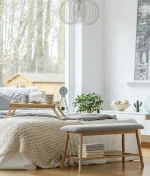
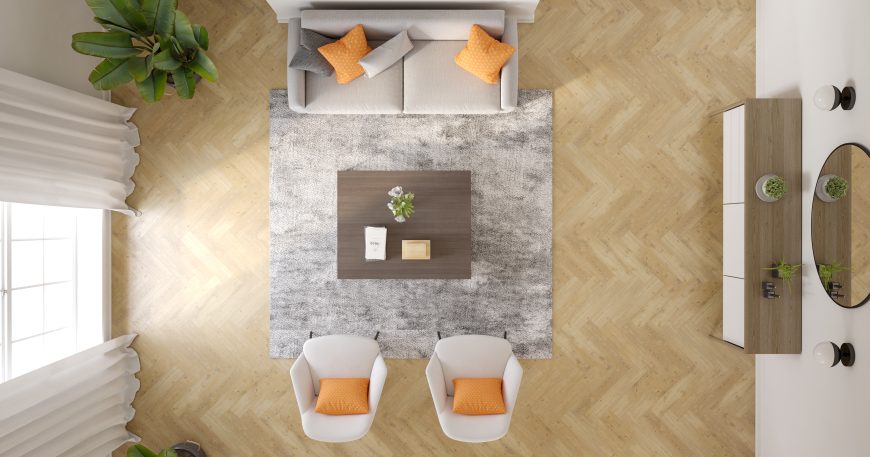
Designing small rooms is a delicate balance of style, functionality, and perception. Many homeowners underestimate the potential of compact spaces, thinking that limited square footage automatically limits creativity. In reality, small rooms can feel open, airy, and highly functional when approached strategically. By understanding space, optimizing lighting, and choosing furniture wisely, even the tiniest rooms can transform into versatile, comfortable living areas. This guide explores advanced small room design ideas with practical tips for maximizing space while maintaining aesthetic appeal.
Understanding the Space You Have
Analyzing Room Dimensions and Layouts
Before adding furniture or selecting colors, it is essential to thoroughly understand the space you are working with. Measuring every corner, noting architectural features like columns, radiators, or windows, helps you make informed design decisions. Awareness of traffic flow ensures furniture placement does not obstruct movement, which is critical in compact spaces.
Identifying Functional Priorities
Decide whether the room will primarily serve as a bedroom, office, living area, or multipurpose space. This clarity prevents unnecessary furnishings and keeps the room aligned with its main purpose. Prioritizing key functions ensures the room remains practical and visually open.
Recognizing Visual Clues of Crowding
Visual cues like blocked sightlines, overcrowded corners, and oversized furniture can make a small room feel even smaller. Removing redundant items and rearranging furniture to create clear pathways instantly improves the perception of space.
Choosing Colors and Materials Wisely
Light vs. Dark Color Palettes
Color significantly influences spatial perception. Light colors such as whites, pastels, and soft neutrals reflect more light, making walls recede visually and creating a sense of openness. Darker colors add depth but should be used sparingly to avoid a cramped feeling. Accent walls and textures can add interest without reducing perceived space.
Reflective Surfaces and Finishes
Mirrors, glass, acrylic furniture, and metallic finishes bounce light, creating the illusion of more space. Reflective surfaces enhance airiness while maintaining a sophisticated aesthetic. Strategic placement of mirrors across from windows maximizes daylight penetration.
Flooring Continuity
Using the same flooring across the entire room or extending it into adjacent areas minimizes visual breaks and creates seamless flow. A continuous surface makes the room feel larger and cohesive.
Smart Furniture Selection
Multi-Functional and Modular Pieces
Compact rooms benefit from furniture that serves multiple purposes. Sofa beds, foldable desks, nesting tables, and storage-integrated furniture reduce clutter while enhancing functionality. These pieces adapt to changing needs and keep the room organized.
Scaled and Minimalist Furniture
Oversized furniture can dominate a small space. Selecting pieces proportional to room dimensions maintains visual balance. Minimalist designs with clean lines prevent visual overcrowding and enhance openness.
Vertical Storage Solutions
Vertical storage maximizes space without compromising floor area. Wall-mounted shelves, hooks, and cabinets provide ample storage while keeping the room uncluttered and airy.
Maximizing Lighting and Windows
Natural Light Optimization
Natural light is the most effective way to make a room feel larger. Keep windows unobstructed, use sheer curtains, and strategically place mirrors to reflect daylight deeper into the room. Even a small window can dramatically improve the sense of openness.
Layered Artificial Lighting
A combination of ambient, task, and accent lighting ensures rooms feel functional and spacious. Ambient lighting provides overall brightness, task lighting supports specific functions, and accent lighting highlights design features, creating depth and warmth.
Window Treatments for Space Illusion
Floor-to-ceiling drapes or ceiling-mounted curtains create vertical lines, drawing the eye upward and enhancing perceived height. Lighter fabrics prevent visual heaviness and maintain a sense of airiness.
Decluttering and Organizational Strategies
Minimalism as a Design Principle
Minimalism in design reduces unnecessary items, improves visual clarity, and maintains smooth traffic flow. A decluttered environment feels open, even in limited square footage.
Hidden Storage Options
Incorporate under-bed drawers, built-in niches, and multifunctional furniture to store essentials without occupying visible space. Clever storage keeps the room organized and functional.
Functional Zoning Without Walls
Rugs, furniture placement, or screens can define distinct areas within a room without breaking up visual continuity. This allows multiple uses while preserving openness.
Visual Tricks and Design Hacks
Mirrors and Reflective Accents
Mirrors double visual space and enhance natural light. Place a large mirror opposite windows or key focal points to create depth. Reflective décor, such as glass tables or metallic accents, complements the effect.
Vertical Lines and Patterns
Vertical stripes on walls, elongated art pieces, or tall shelving draw attention upward, increasing perceived height. Patterns and lines guide the eye, subtly enlarging the space.
Floating and Wall-Mounted Features
Floating desks, wall-mounted TV units, and shelves free up floor space and maintain a clean, open look. Even small adjustments, such as removing cabinet legs, contribute to a more spacious feel.
Personalization Without Overcrowding
Statement Pieces as Focal Points
Introduce one bold piece, such as a vibrant chair, a unique lamp, or a patterned rug, to add personality without overwhelming the room. Focal points create interest while maintaining balance.
Art and Décor with Scale in Mind
Select artwork and décor proportional to the room’s size. Oversized items dominate small rooms, while carefully scaled pieces enhance style without clutter.
Flexible Design for Future Needs
Opt for modular furniture or items serving multiple functions. A flexible layout accommodates evolving requirements, whether for work, relaxation, or entertaining.
Case Studies and Practical Examples
Small Living Rooms
A compact living room benefits from a modular sofa with storage, light walls, and strategically placed mirrors. Vertical shelving maximizes storage, while wall sconces or floor lamps preserve floor space.
Compact Bedrooms
Positioning the bed against a corner wall with under-bed drawers optimizes floor area. Layered lighting, minimalist décor, and light-colored walls create a spacious, comfortable retreat.
Home Offices in Tight Spaces
Foldable desks or wall-mounted workstations efficiently utilize corners. Vertical shelving stores books and supplies, while task lighting ensures a productive, clutter-free workspace.
Conclusion
Designing small rooms to feel larger and more functional requires strategic planning, creativity, and practical know-how. By understanding your space, selecting the right colors and materials, choosing scaled and multi-functional furniture, optimizing lighting, and maintaining organization, even compact rooms can become stylish, versatile, and comfortable. Visual tricks, minimalism, and thoughtful personalization enhance perception of space without compromising style or function. With deliberate choices, small spaces can maximize usability while reflecting individual taste.
FAQs
1: What are the best colors for making small rooms appear larger?
Light, neutral shades like white, cream, pastels, and soft grays reflect light and visually expand the room. Accent walls can add depth without crowding.
2: How can I maximize storage in a small room?
Use vertical shelving, wall-mounted cabinets, under-bed drawers, and multifunctional furniture to keep essentials organized and free up floor space.
3: What type of furniture works best in compact spaces?
Multi-functional, modular, and scaled furniture, such as sofa beds, nesting tables, and foldable desks, maintains function without overwhelming the room.
4: How can lighting improve a small room’s appearance?
Natural light, mirrors, and layered artificial lighting create openness, highlight key areas, and improve functionality without taking up space.
5: What design tricks make a room feel more spacious?
Mirrors, vertical lines, floating furniture, minimal décor, and consistent flooring enhance perceived space and maintain visual clarity.