
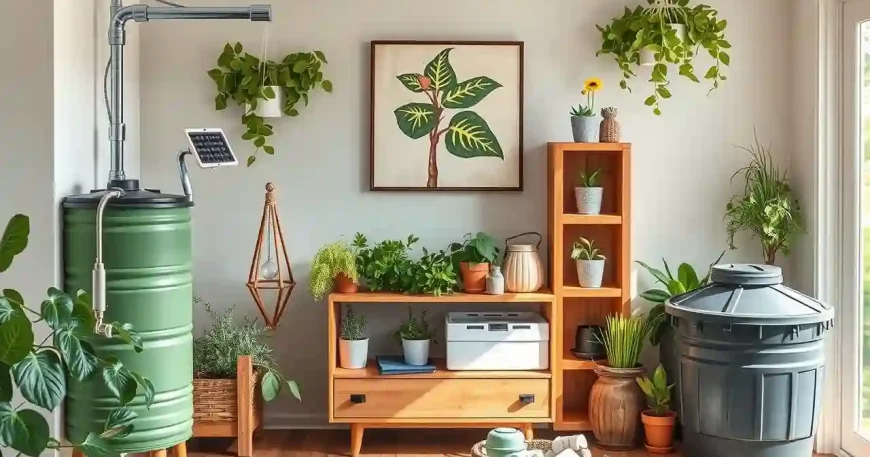
The evolution towards a green lifestyle is not only a fashion but it is a requirement in a world where people are becoming more conscious of environmental problems. Home buyers are seeking means to make their homes more comfortable and make environmentally friendly choices. Sustainable DIY is your solution, as it will enable you to beautify and make your home more practical, without adding to the ecological footprint to any significant extent. This blog is going to discuss different interesting and useful sustainable DIY projects that can make your house an ecological paradise.
Getting to know Sustainable DIY Projects
Sustainable DIY projects go beyond utilizing materials and methods that are more eco-friendly and primarily waste reduction and high-energy efficiency. These projects are as simple as home upgrades all the way to complete renovation. This is with an aim of making beautiful and functional spaces without abusing our resources on the planet.
Advantages of Sustainable DIY Projects
Environmental Impact: Sustainable DIY projects will also reduce wastage and cut down your carbon footprint making you a positive contributor to the planet.
- Savings Costs: A lot of projects that are eco-friendly contribute to saving a lot of energy costs in the long run. Utility bills can be lowered by making the building more efficient with respect to energy consumption.
- Personal Satisfaction: The reward of being able to make something with your own hands can be beyond measure when you know whatever you are making will help to make the environment a healthier one.
The Best DIY Environmentally Friendly Projects to Do at Home.
1. Upcycled Furniture
The recycling of old furniture is one of the most rewarding green activities. Rather than throwing away the old ones, why not put them back to life.
- How to Upcycle: I would begin by washing the item. Paint it with a new non-toxic paint or environmentally friendly stain, sand it off, etc. Chairs can also be re-upholstered using green fabrics, which adds a new appearance to your house.
2. Rainwater Harvesting System
One of the ways of conserving water is by installing a rainwater harvesting system. This system harvests the rainwater on your roof which can be used in irrigation or even in non potable domestic applications with necessary filtration.
- Installation: Fill the rain barrel using water, and it has to have a lid to avoid breeding mosquitoes. Install a down spout off your roof and conduct the water to a barrel; and a plain tap will allow you to use the water when it is required.
3. Outdoor Lighting that uses solar power
The outdoor areas of your place can easily be improved by switching to solar powered lights and at the same time save on the use of energy.
- Installation Advice: Buy solar lights that would be easily fitted in your garden or in the foot paths. Make sure they are put in the places where they would get direct sunlight during the day in order to charge and light up at night without having to pay the electricity expenses.
4. Composting System
Development of a compost system in your backyard will enable you to recycle kitchen waste and yard waste to your garden as a nutrient rich soil.
- How to Beg: Start with a compost bin or a pile of organic material, including fruit peels, scraps of vegetables and grass clipping. The compost should be turned to aerate it and a few months later, you will have a good compost to use in your garden.
5. Energy Saving Window Treatment
Energy-efficient window treatments would also help to control the temperatures in the house to a point that the heating and cooling system is not necessary.
- Project Ideas: You may want to make your own curtains out of organic cotton or bamboo. Reflective window film would also help to enhance the insulation and make your house comfortable throughout the year.
6. Natural Cleaning Products
One of the simplest methods to decrease the utilization of the harmful chemicals and to save money is to make your own cleaning supplies.
- DIY Recipe: Add an equal amount of vinegar and water to a spray bottle to create an all-purpose cleaner that is natural. You may also add essential oils to add a nice scent and other antibacterial qualities.
7. Vertical Garden
A vertical garden can be used in the home to make the place pretty and at the same time collect fresh herbs and vegetables in case there is limited space.
- Construction: Vertical garden is built using pallets or planters that are mounted on a wall. Plant them with the soil and plants which grow in your climate, and you can have the fresh produce on your door.
8. Eco-Friendly Paints
Whenever you need to paint your walls, use low-VOC (volatile organic compounds) paints which are safe to the environment and health.
- Finding the Paint: Find the brands which focus on environmental friendliness and components. Whenever doing any painting, it should be well ventilated to lower the exposure to fumes.
9. Bamboo Flooring
Bamboo is a fast growing eco-friendly product that is tougher than iron and hence, a great choice of new flooring material.
- Installation Guide: Select pre-finished bamboo planks so that they can be installed easily. Ensure the subfloor is clean and dry before the bamboo is laid down and you will enjoy the classy appearance of the bamboo in your home.
10. Smart Home Technology
You can make your home more energy efficient by adding smart technology in your home, which will enable you to manage the lighting systems, heating, and ventilation systems remotely.
- Starting With: spend money on smart thermostats, LED lights and energy monitors. These devices allow you to better control the amount of energy you are using in your home and this results in reduced bills and reduced carbon footprint.
(FAQs)
1. What do sustainable DIY projects mean?
Sustainable DIY work is a type of home improvement work that uses resources and methods that are friendly to the environment, so as to have minimal impact on the environment. They may concern recycling, upcycling or implementation of an energy efficient solution.
2. What do I need to begin with sustainable DIY projects?
Start by evaluating your house and where some improvement is required. Simple projects that you are good at, like making upcycled furniture or building a compost system can be studied. Prepare resources and watch tutorials on the internet.
3. Are DIY projects that are sustainable and higher priced?
Though a particular sustainable material can be more expensive initially, nowadays, most DIY projects cost less in the long-term due to their energy efficiency and utility savings. Also, recycled materials tend to reduce costs.
Conclusion
Making eco-friendly improvements on your home by creating sustainable DIY projects is a satisfying means of making the world a cleaner place to live in and also improving the living environment. Whether you upcycle furniture, install efficient systems or install systems that use less energy, every project makes your home better and eligible for a sustainable lifestyle. Then pull out those tools and be creative and begin to make a difference today!
Upon adopting these environmental friendly approaches in your home, you would be making a great move towards a greener world. Happy DIYing!